“Vertigo” Lyrics and Meaning by U2
“Vertigo” is U2 turning a difficult recording process into a brutally direct rock single. Released in November 2004, it opened How to Dismantle an Atomic Bomb with a distorted guitar riff, a mangled Spanish countdown and a lyric about sensory overload, temptation and consumer excess.
The song sounds spontaneous, but it emerged from months of rewriting. Its earliest form was called “Native Son,” a more explicit political song built around the same basic musical force. U2 kept the riff, rejected the lyric and rebuilt the track with producer Steve Lillywhite. The result was leaner, stranger and far more effective.
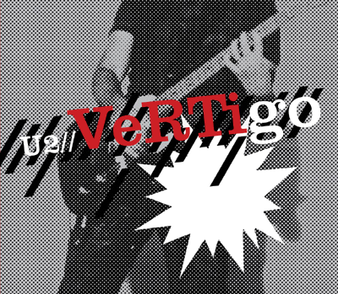
From “Native Son” to “Vertigo”
The riff existed before the final lyric. The Edge had been working with the musical idea under the title “Full Metal Jacket,” an appropriate name for a piece built to hit with blunt force. Its clipped rhythm and descending guitar figure gave U2 the kind of immediate opening they wanted, but the song surrounding it remained unsettled.
One developed version became “Native Son.” That recording had a political lyric concerned with imprisonment, state power and the case of Leonard Peltier. It was more literal than “Vertigo” and more closely resembled the issue-driven U2 of the 1980s.
The band ultimately decided the lyric was carrying too much explanation. Bono later acknowledged that “Native Son” had the right musical engine but the wrong words. U2 kept working on the track until the political argument was replaced by a scene full of movement, noise, seduction and confusion.
“Native Son” was eventually released through the digital collection Unreleased and Rare, allowing listeners to hear how dramatically the song changed. The comparison reveals U2’s editing process. The music became more convincing when the lyric stopped telling the audience what to think and began dropping them into an unstable situation.
Why Steve Lillywhite Was Brought Back
How to Dismantle an Atomic Bomb had a troubled gestation. U2 recorded a large amount of material with producer Chris Thomas, but the band became dissatisfied with the shape of the album. Steve Lillywhite was brought in to help finish several tracks, including “Vertigo.”
Lillywhite had produced U2’s first three albums, Boy, October and War. He understood the physical qualities of the band better than most producers. Larry Mullen Jr.’s drums had to drive the recording, Adam Clayton’s bass had to remain clear beneath the guitar, and The Edge’s riff had to sound dangerous rather than polished.
That approach gave “Vertigo” its defining character. The production leaves little room for decoration. Larry’s beat pushes forward, Adam locks into it, and The Edge plays a riff that sounds closer to garage rock than the elaborate textures of Achtung Baby or Pop.
The track represented a deliberate return to the basic chemistry of four musicians playing loudly in a room. U2 had spent the 1990s expanding its sound through loops, samples, dance rhythms and studio manipulation. “Vertigo” did not erase that history, but it pushed those methods aside long enough for the band to rediscover impact.
The Meaning of the Spanish Countdown
Bono begins the song by counting “one, two, three, fourteen” in Spanish. A correct count to four would end with “cuatro,” not “catorce.”
The mistake became one of the song’s most recognisable details. It works because “Vertigo” is already concerned with scrambled perception. Before the first riff arrives, order has been disrupted.
Bono has treated the countdown as a joke rather than a puzzle requiring a fixed solution. It gives the recording the feeling of a live take that has already started running out of control. The mistake also supplies a memorable verbal hook before the conventional chorus appears.
There is a practical rock and roll logic to it. “Catorce” has more syllables than “cuatro,” allowing Bono to stretch the count across the space before the band crashes in. Accuracy loses to rhythm.
A Nightclub Filled with Warning Signs
The lyric places its narrator inside a dark, crowded environment where thought has been overwhelmed by sensation. The opening contrast between the head and the heart establishes the song’s central conflict. Rational control is weakening, while physical feeling becomes stronger.
Bono then fills the room with fractured images. There are flashes of light, holes in the night, musicians who cannot dance and a woman with crimson nails wearing Jesus around her neck. The details arrive like glimpses caught under nightclub lighting. Nothing remains visible long enough to become stable.

The woman wearing a cross is one of Bono’s characteristic images. Religious symbolism appears inside a setting driven by sex, music and consumption. The cross may signify faith, fashion or both. Bono leaves the contradiction intact.
The reference to bullets ripping the sky recalls the violent language of “Bullet the Blue Sky,” but the setting has changed. In the earlier song, violence is political and military. In “Vertigo,” it has become part of the spectacle, flashing above people who continue dancing.
The title describes more than dizziness. Vertigo is the sensation of losing a reliable sense of position. The narrator can see and feel what surrounds him, but he cannot orient himself within it.
The chorus captures that dislocation. The place called Vertigo contains knowledge the narrator would rather avoid. He has entered an environment where desire exposes uncomfortable truths about him. The attraction remains powerful because someone inside the chaos gives him something real enough to feel.
This distinction matters. Much of the song’s world is artificial. Lights, noise, jewellery, alcohol and performance create a manufactured intensity. Against that background, genuine human contact becomes difficult to separate from another form of stimulation.
The song’s dizziness comes from wanting the experience while recognising what the experience is doing to you.
Consumerism, Temptation and the Language of Possession
The bridge changes the song from a nightclub sketch into a scene of temptation. A voice offers everything, but the offer contains a threat. Desire is presented as a transaction in which possession must be exchanged for obedience.
The repeated promise that everything can be yours echoes the biblical temptation of Christ, when Satan offers worldly kingdoms in return for submission. Bono does not retell that story directly. He transfers its language into a modern culture built around advertising, celebrity and instant acquisition.
The line about giving the speaker what he wants also sounds like a hostage demand. That aggressive wording exposes the violence beneath consumer desire. Wanting becomes entitlement, and entitlement becomes coercion.
The final section shifts the emotional direction of the song. The language of possession gives way to the language of surrender. Love teaches the narrator to kneel, an action that can signify prayer, humility, devotion or defeat.
Within U2’s catalogue, kneeling usually carries spiritual weight. Bono repeatedly writes about pride being broken before grace can enter. The narrator of “Vertigo” begins by trusting sensation over thought. He ends by discovering that love requires a different kind of surrender.
The line also anticipates “Yahweh,” the closing track on How to Dismantle an Atomic Bomb. That song asks for the transformation of hands, hearts and minds. “Vertigo” reaches the same territory through a nightclub, a guitar riff and a moment of exhausted submission.
The Apple Campaign and the U2 iPod
“Vertigo” became closely associated with Apple after it appeared in a major iPod television advertisement. The commercial placed U2 against a red and black background, combining live-action footage with the silhouette style already used in Apple’s iPod campaign.
The partnership also produced the U2 Special Edition iPod, a black model with a red click wheel and the band members’ signatures engraved on the back. Buyers could access a large digital collection of U2 recordings through The Complete U2.
The arrangement was significant because U2 had previously resisted ordinary product endorsements. The band treated the campaign as a way to place its music inside a changing digital market. For many casual listeners, the iPod advertisement became their first encounter with “Vertigo.”
The campaign also demonstrated how quickly music consumption was changing in 2004. The single arrived during the transition from compact discs to downloads, and U2 placed itself directly inside that shift.
The “Vertigo” B-Sides
The single appeared in several formats with different supporting tracks. The most notable original B-side was “Are You Gonna Wait Forever?”, another Lillywhite-produced recording from the Atomic Bomb sessions.
Other editions included live recordings and remixes, making “Vertigo” an important release for collectors. The various versions now form part of U2’s extensive B-sides and non-album catalogue.
Grammy Success
“Vertigo” became one of the most heavily awarded singles of U2’s career. At the 2005 Grammy Awards, it won Best Rock Performance by a Duo or Group with Vocal, Best Rock Song and Best Short Form Music Video.
The victories continued a remarkable period of Grammy success for the band. How to Dismantle an Atomic Bomb later dominated the 2006 ceremony, winning Album of the Year and helping U2 complete a sweep across the album’s two-year eligibility period.


%20U2.jpg)

1 Achtung Babies:
I view many U2 songs through a spiritual lens, often just one verse will pop out to me as spiritual, Verigo is no different.
All of this all of this can be yours
Just give me what I want and no one gets hurt
That is what the devil said to Jesus when tempting Jesus after Jesus spent 40 days fasting in the wilderness
The following verse says you taught me how to kneel
I’m my eyes another reference to God.
I love how so many U2 songs have two meanings, usually an amorous love one for another and and agape love, love for God. U2 isn’t trying to win the world for Christ but just U2 being U2, so much depth to so many of their songs!
Dream on brother
Post a Comment